Company Profile
About UsCareers
Job OpeningsHead Office
Gedung Pegadaian Kenari Lantai 4
Jl. Salemba Raya No.2, Kel. Kenari,
Kec. Senen, Kota Jakarta Pusat 10430
Copyright © 2026 PT Pesonna Optima Jasa. All Rights Reserved.
Follow Us
Gedung Pegadaian Kenari Lantai 4
Jl. Salemba Raya No.2, Kel. Kenari,
Kec. Senen, Kota Jakarta Pusat 10430
 September 30, 2026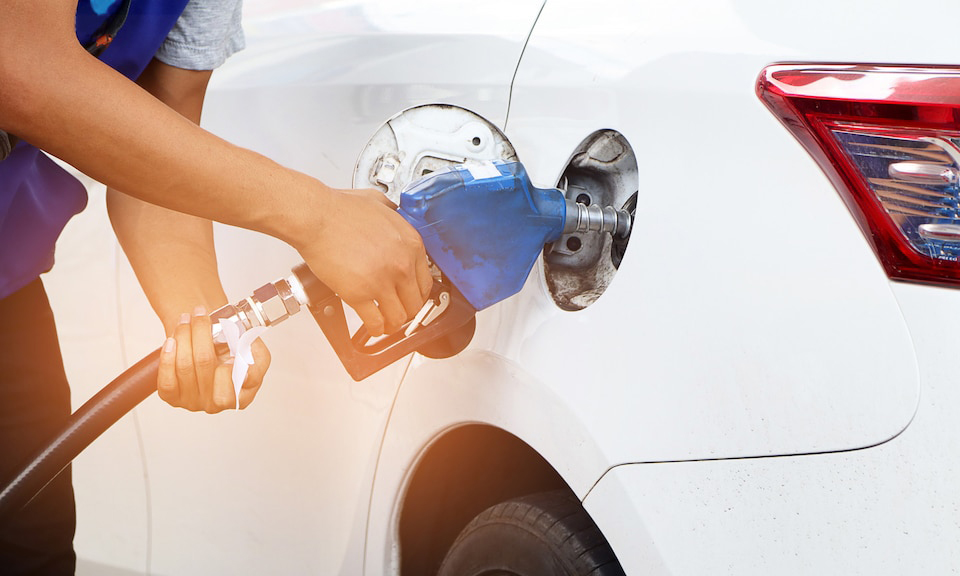
With fuel prices continuing to rise, reducing car fuel consumption has become important for many car owners. Besides saving money, reducing fuel consumption can also benefit the environment by helping reduce exhaust emissions. In this article, we will provide seven practical tips that can help you save fuel.
1. Maintain a Steady Speed
Driving at a steady speed can help reduce fuel consumption. Avoid sudden acceleration and braking, and maintain a consistent speed when driving on highways. Using cruise control can also help maintain a steady speed and improve fuel efficiency when road conditions are suitable.
2. Perform Regular Vehicle Maintenance
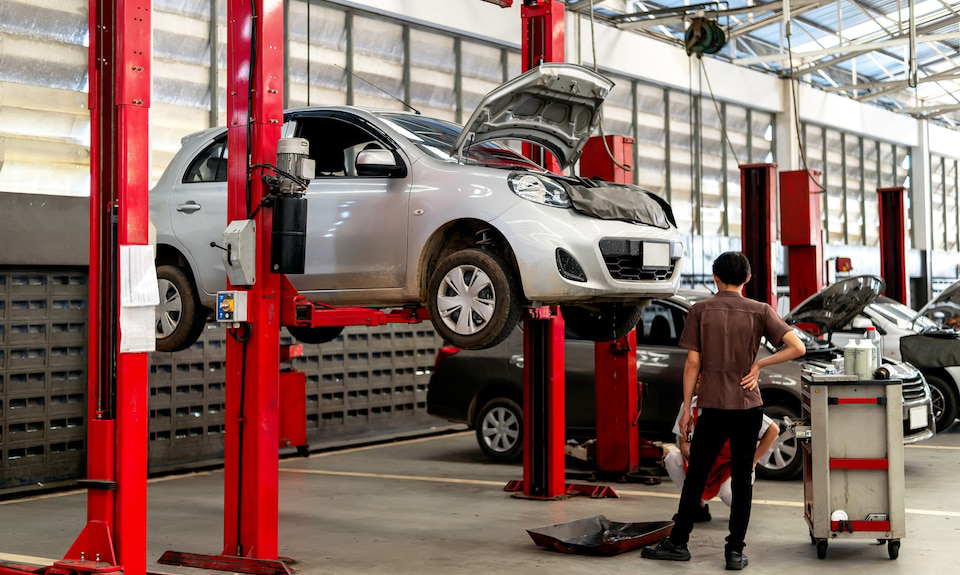
Proper and regular vehicle maintenance is important for maintaining optimal fuel efficiency. Keep the engine in good condition by changing the oil regularly, cleaning or replacing the air filter as needed, and maintaining proper tire pressure. You should also have the fuel and ignition systems checked periodically.
3. Reduce Extra Weight
Carrying unnecessary weight can increase fuel consumption. Remove items that are not needed from the trunk or passenger area to reduce the vehicle's weight. In addition, avoid using roof racks or other accessories that can increase aerodynamic drag when they are not necessary.
4. Turn Off the Engine During Long Stops
If you are going to remain parked for an extended period, it is generally better to turn off the engine rather than leave it running unnecessarily. An idling engine consumes fuel without providing significant benefits when the vehicle is not being used.
5. Use Quality Fuel
Choose fuel that meets the quality requirements and specifications recommended by your vehicle manufacturer. Using fuel that does not meet the vehicle's requirements may affect efficiency and performance. Follow the manufacturer's recommendations when selecting the appropriate fuel for your car.
6. Avoid Heavy Traffic When Possible
Avoiding heavily congested routes can help reduce fuel consumption. When stuck in traffic, vehicles frequently stop and start, which can consume more fuel. Use navigation apps or maps to identify alternative routes that may have smoother traffic conditions.
7. Use Economical Driving Techniques
Economical driving techniques, such as reducing speed when approaching intersections, anticipating changes in traffic conditions, and making efficient use of the vehicle's momentum, can help save fuel. Maintain a safe following distance from the vehicle ahead to reduce the need for sudden braking and acceleration.
Saving fuel is beneficial not only financially but also environmentally. By applying the practical tips above, you can improve your car's fuel efficiency and contribute to energy conservation and reduced exhaust emissions. Drive efficiently and responsibly!
Gedung Pegadaian Kenari Lantai 4
Jl. Salemba Raya No.2, Kel. Kenari,
Kec. Senen, Kota Jakarta Pusat 10430

Effective team management relies on clear communication, structured goals, fair task distribution, collaboration, recognition, and constructive conflict management to build a productive and motivated team.
September 30, 2026